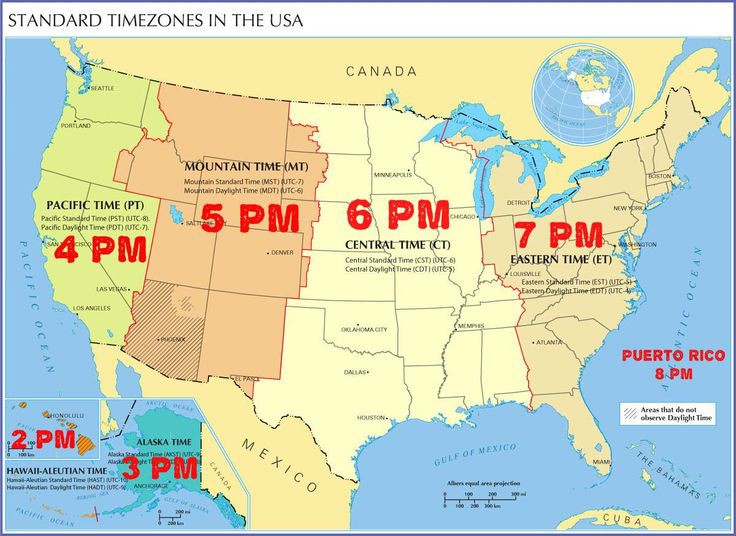
PARAMETERS EASTERN TIME ZONE CENTRAL TIME ZONE
TIMEZONES It lies east of the prime meridian It lies in Central part of the United States
OFFSET FORM UTC According to universal time coordination -5 have standard time (EST) According to universal time coordination -6 have Central standard time (CST)
DAY SAVING TIME It has been observes that day saving time shifts to UTC -4 ( Eastern day time) in course of( DST) It has been observes that Day saving time shifts to UTC – 5 (Central day time) in the course of ( DST)
STATES AND REGIONS It includes Eastern United States and components of Canada It includes Central United States and components of Canada
MAJOR CITIES New York City, Washington D. C., Atlanta Chicago, Houston, Minneapolis, Dallas
POPULATION High populace density Moderate to excessive populace density
TIME DIFFERENCE The eastern time zone is 1 hour ahead.
Eg- so if it is 7:00pm in Eastern Time zone then in Central time zone it will be 8 :00pm The Central time zone is 1 hour behind.
Eg- so if it is 8:00 pm in Central time zone then in Eastern time zone it will be 9:00 pm
GEOGRAPHIC SIZE Eastern time zone is smaller in length Central time zone is bigger in length
BUSINESS HOURS Hour of operation Eastern time (ET) stores may open and close 1 hour earlier than Central time (CT) stores Central time (CT) stores may open and close 1 hour later than Eastern time (ET) stores
PRIME TIME TELEVISION In Eastern Time (ET) prime time of television starts earlier than Central time (CT). In Central time (CT) prime time of television starts later than Eastern time (ET)
TRAVEL COORDINATION Travel between Eastern time(ET) to Central time (CT) may requires an hour adjustment in schedule. For transfer between Central time (CT) and Eastern time (ET) schedule may need to be adjusted by 1 hour.
What is eastern time zone?
The Eastern Time Zone (ET) is a geographic area that is referenced to Eastern Standard Time (EST) during the non-summer months and Eastern Daylight Time (EDT) during the summer months. 5 hours behind Coordinated Universal Time (UTC-5) during EST and 4 hours behind Coordinated Universal Time (UTC-4) during EDT. The Eastern time zone applies to parts of North America, including the eastern United States, eastern Canada, and some Caribbean islands. Major cities in this time zone include New York, Toronto, and Miami. The transition between EST and EDT occurs on the 2nd Sunday in March and the 1st Sunday in November, clocks moving forward and backward respectively to optimize daylight hours.
What is Central time zone?
Central Time Zone (CT) is one of the standard time zones in North America. 6 hours behind Coordinated Universal Time (UTC-6). This time zone covers most of the United States, including states such as Texas, Illinois, and Missouri. The Central time zone also applies to Canada, Mexico, and parts of Central America. The region follows Central Standard Time (CST) during non-daylight saving time and Central Daylight Time (CDT) when daylight saving time is in effect, transitioning to UTC-5. The introduction of daylight saving time varies by location within the Central time zone, resulting in occasional time adjustments.
Main difference between Eastern Time Zone and Central Time Zone
1)Time zone
Eastern Time (ET) is the time zone used primarily in the eastern United States, eastern Canada, and parts of Central and South America. UTC-5 for standard time and UTC-4 for daylight saving time. Central Standard Time (CT), on the other hand, is observed in the central regions of the United States, Canada, Mexico, and some Central American countries. UTC-6 for standard time and UTC-5 for daylight saving time.
2) Geographic coverage
ET covers a wider geographic area, including major cities such as New York, Washington D.C., Toronto and Miami. Connecticut also covers several major cities such as Chicago, Houston and Mexico City, but has slightly less coverage compared to ET.
time difference: ET is one hour ahead of CT in both standard and daylight time. 12:00 PM on ET is 11:00 AM on CT.
3) Summer time:
Both ET and CT observe daylight saving time, moving clocks forward one hour during warmer months to make better use of daylight. This creates an additional hour of sunshine in the evening. Daylight saving time in the United States generally begins on the second Sunday in March and ends on the first Sunday in November.
4) Impact on daily life
The time zone difference between ET and CT can have different effects on your daily life. For example, when scheduling conference calls or virtual meetings between people in these time zones, time differences must be considered to avoid scheduling conflicts. Likewise, travel plans, telecasts, and live events should be aligned with the local time of their respective timezones.
5) Daylight hours
Because ET is further east, it usually rises and sets slightly earlier than CT. This can affect outdoor activity, working hours and energy consumption patterns in these areas.
6) Historical background:
The concept of time zones and the standardization of time was introduced in the late 19th and early 20th century. Prior to this standardization, local mean time was used and each city or region had its own time. This could cause confusion, especially in the age of railroads and telegraph communications.
In summary, the main differences between ET and CT are in geographic range, timezone offset from UTC, and impact on daily life and activities. Understanding these differences is important for coordinating and planning events and ensuring effective communication between people living in different time zones.